
Winter is one of the best times to prune most fruit trees because they’re dormant, leafless, and structurally easier to evaluate. With the canopy exposed, you can clearly see crossing branches, weak growth, and crowded areas that need thinning. Pruning in winter also encourages vigorous new growth in spring, improves air circulation, and helps shape the tree for better sunlight penetration — all of which support healthier fruit production. Choose a dry day above freezing, use clean, sharp tools, and start by removing dead, damaged, or diseased wood.
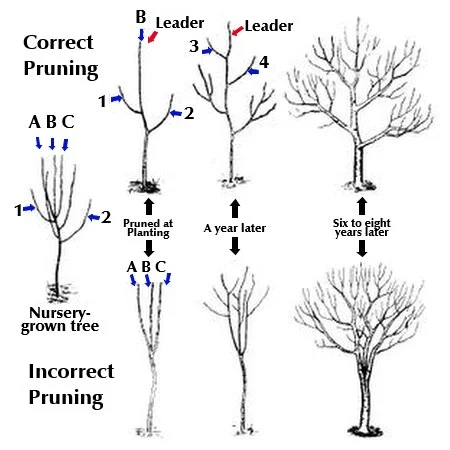
Focus next on structure: open up the center (for open-center trees like peaches and plums) or maintain a strong central leader (for apples and pears, depending on training style). Cut back overly long branches to outward-facing buds and avoid removing more than about one-third of the tree in a single season. Thoughtful winter pruning sets the framework for both tree health and higher-quality harvests, making it one of the most valuable off-season garden tasks.


Leave a Reply