
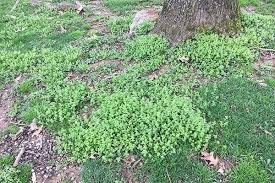
Winter doesn’t mean weeds magically disappear—it just means they change tactics. Many common weeds survive the cold by going dormant, overwintering as roots or low-growing rosettes that are ready to explode in early spring. The smartest winter weed control is preventative: remove visible weeds before the ground freezes, especially perennials with deep roots like dandelion or dock. Applying a thick layer of mulch (2–4 inches of straw, shredded leaves, or bark) helps smother weed seeds and blocks light they need to germinate. In milder climates, winter annuals like chickweed and henbit can still grow slowly, so hand-pulling on warmer days is surprisingly effective when the soil is soft.
For gardeners who prefer treatments, winter is a good time for targeted, low-impact approaches. Non-selective treatments like vinegar-based sprays can work on actively growing winter weeds during above-freezing days, though they’re best for hardscapes or empty beds. Avoid broad chemical herbicides in cold weather, as most are far less effective and can linger in soil. Instead, focus on soil health: cover crops, compost, and organic matter improve competition against weeds come spring. Think of winter weed control as setting the chessboard—what you do now determines whether spring starts with calm, clean beds or an all-out weed war.
 Elflein Landscaping and Design
Leave a comment