
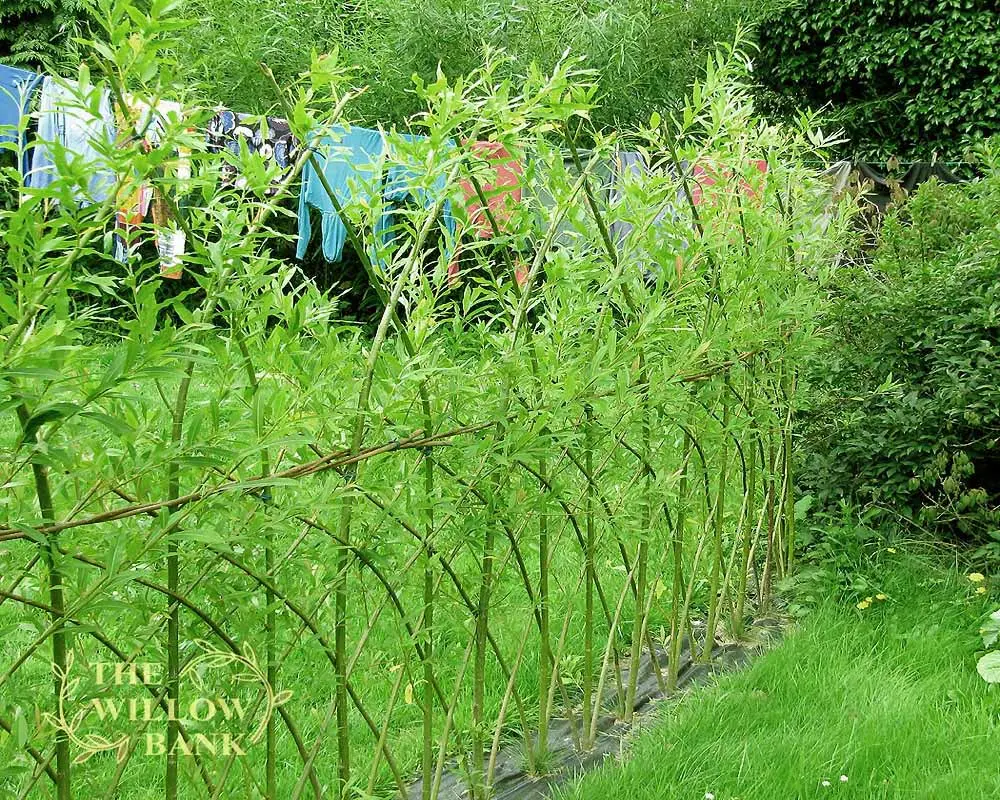
Using plants as a natural fenceline is an attractive and functional alternative to traditional wood, vinyl, or metal fencing. Living fences blend seamlessly into the landscape, softening property boundaries while enhancing curb appeal. From neatly trimmed hedges to free-growing shrubs and trees, plant-based barriers can be tailored to match both formal and naturalistic design styles.
Beyond aesthetics, natural fencelines provide practical benefits. Dense plantings can offer privacy, reduce noise, block wind, and even improve security by discouraging foot traffic. Many species also support local wildlife, providing shelter and food for birds and pollinators, while helping stabilize soil and reduce erosion along property lines.
When choosing plants for a natural fenceline, it’s important to consider growth rate, mature size, maintenance needs, and climate suitability. Evergreen shrubs offer year-round coverage, while deciduous plants can create seasonal interest. With thoughtful planning and proper care, a living fence can become a long-lasting, eco-friendly boundary that grows more beautiful over time.
 Elflein Landscaping and Design
Leave a comment